
Tata EV Cars in India: Driving the Future of Sustainable Mobility
Tata EV Cars in India: Driving the Future of Sustainable Mobility
Aratrika Roy
·Updated ·5 min read
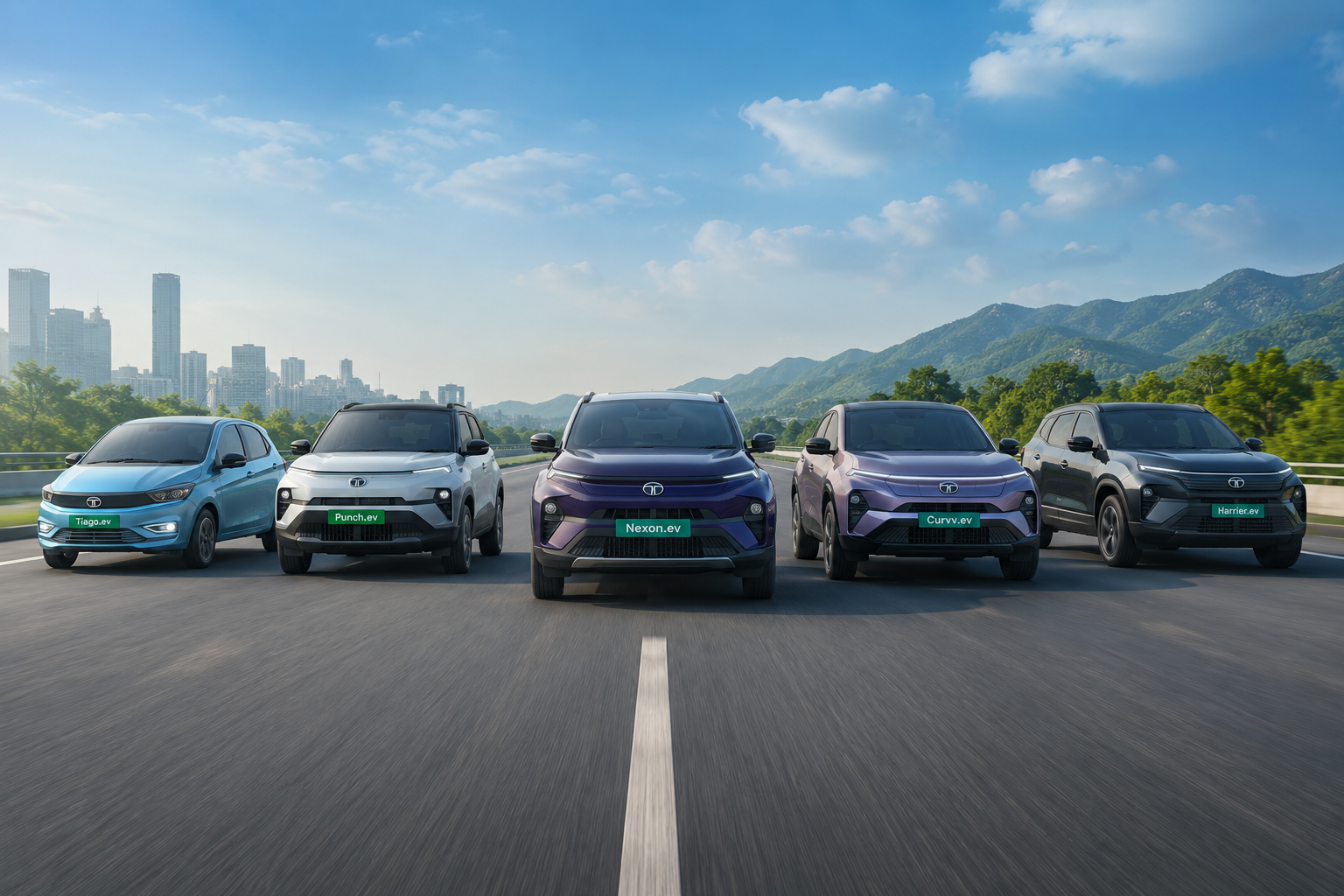
The Indian automotive industry is undergoing a major transformation, and electric vehicles (EVs) are leading this revolution. Among all manufacturers, Tata Motors has emerged as the undisputed leader in India’s electric passenger vehicle market. With a strong focus on innovation, affordability, safety, and sustainability, Tata EV cars have played a significant role in accelerating the adoption of electric mobility across the country. From compact city cars to premium electric SUVs, Tata Motors offers a diverse range of EVs that cater to different customer needs while supporting India’s vision of a greener future.
One of the key reasons behind Tata Motors’ success in the EV segment is its ability to combine advanced technology with practical usability. The company has invested heavily in developing electric vehicle platforms, battery technology, charging infrastructure partnerships, and connected car features. Tata EVs are designed specifically for Indian road conditions and customer preferences, making them both reliable and efficient. Furthermore, Tata’s commitment to safety has resulted in several models receiving high safety ratings, boosting consumer confidence in electric vehicles.
The Tata Tiago EV is among the most affordable electric cars available in India. Designed primarily for urban commuting, the Tiago EV offers a practical range, compact dimensions, and low running costs. It is particularly attractive to first-time EV buyers who want an economical and environmentally friendly alternative to conventional petrol cars. Despite its affordable pricing, the Tiago EV comes equipped with modern features such as a touchscreen infotainment system, connected car technology, regenerative braking, and fast-charging capability.
Moving up the lineup, the Tata Punch EV represents a significant advancement in compact electric SUVs. Built on Tata’s advanced electric architecture, the Punch EV offers improved performance, longer driving range, enhanced technology, and superior safety features. Its SUV-inspired styling, elevated driving position, and spacious cabin make it an appealing choice for young professionals and families. The vehicle demonstrates how electric mobility can be both practical and exciting without compromising comfort or convenience.
The Tata Nexon EV remains the flagship success story of Tata Motors’ electric journey. Since its launch, the Nexon EV has consistently been one of the best-selling electric vehicles in India. The SUV combines attractive styling, strong performance, excellent driving range, and a comprehensive list of features. With multiple battery options and variants, customers can choose a model that suits their driving requirements and budget. The Nexon EV also benefits from Tata’s extensive service network and growing charging ecosystem, making ownership easier and more convenient.
For customers seeking a premium electric experience, Tata Motors introduced the Curvv EV. This futuristic SUV-coupe combines bold design with advanced technology and long-range capabilities. The Curvv EV showcases Tata’s vision for next-generation mobility, featuring aerodynamic styling, modern interiors, connected features, and intelligent driver assistance systems. Its distinctive appearance and premium positioning reflect the evolving expectations of Indian consumers who want both sustainability and sophistication in their vehicles.
Another noteworthy addition to Tata’s EV portfolio is the Harrier EV. Based on the popular Harrier SUV, the electric version brings together rugged SUV characteristics and zero-emission technology. With enhanced performance, larger battery capacity, and advanced driving features, the Harrier EV targets customers looking for a powerful and spacious electric SUV capable of long-distance travel. It highlights Tata Motors’ ambition to expand electric mobility into larger and more premium vehicle segments.
Battery technology forms the foundation of every electric vehicle, and Tata Motors has made substantial progress in this area. The company utilizes advanced lithium-ion battery packs designed to deliver optimal performance, durability, and safety. Features such as thermal management systems, regenerative braking, and intelligent battery monitoring help maximize efficiency and extend battery life. Additionally, Tata EVs support both home charging and public fast-charging solutions, allowing customers greater flexibility and convenience.
Charging infrastructure has often been considered a challenge for EV adoption, but Tata Motors has actively addressed this issue through strategic partnerships and ecosystem development. The company collaborates with charging network providers to expand the availability of charging stations across cities, highways, residential complexes, and commercial locations. This growing infrastructure is helping reduce range anxiety and encouraging more consumers to consider electric vehicles as a practical daily transportation solution.
One of the strongest advantages of Tata EVs is their lower running cost compared to traditional internal combustion engine vehicles. Electricity is significantly cheaper than petrol or diesel, and electric vehicles generally require less maintenance due to fewer moving components. Owners benefit from reduced servicing expenses, lower fuel costs, and various government incentives that support EV adoption. These economic advantages make Tata electric vehicles an attractive long-term investment.
Environmental sustainability remains at the core of Tata Motors’ electric vehicle strategy. By producing zero tailpipe emissions, Tata EVs contribute to cleaner air and reduced greenhouse gas emissions. As India increasingly incorporates renewable energy sources into its power generation mix, the environmental benefits of electric vehicles are expected to become even more significant. Through its EV portfolio, Tata Motors is helping create a cleaner and more sustainable transportation ecosystem for future generations.
Looking ahead, Tata Motors continues to invest in research, innovation, and product development. The company plans to introduce new electric models, improve battery technology, enhance charging solutions, and strengthen its overall EV ecosystem. With rising consumer awareness, supportive government policies, and continuous technological advancements, Tata Motors is well-positioned to maintain its leadership in India’s electric vehicle market.
In conclusion, Tata EV cars have transformed the landscape of electric mobility in India. By offering a diverse range of affordable, safe, and technologically advanced electric vehicles, Tata Motors has made sustainable transportation accessible to a wider audience. Whether it is the budget-friendly Tiago EV, the versatile Punch EV, the popular Nexon EV, the futuristic Curvv EV, or the premium Harrier EV, Tata’s electric lineup demonstrates the company’s commitment to innovation and environmental responsibility. As India moves toward a cleaner and more sustainable future, Tata EVs are set to remain at the forefront of this exciting automotive revolution.